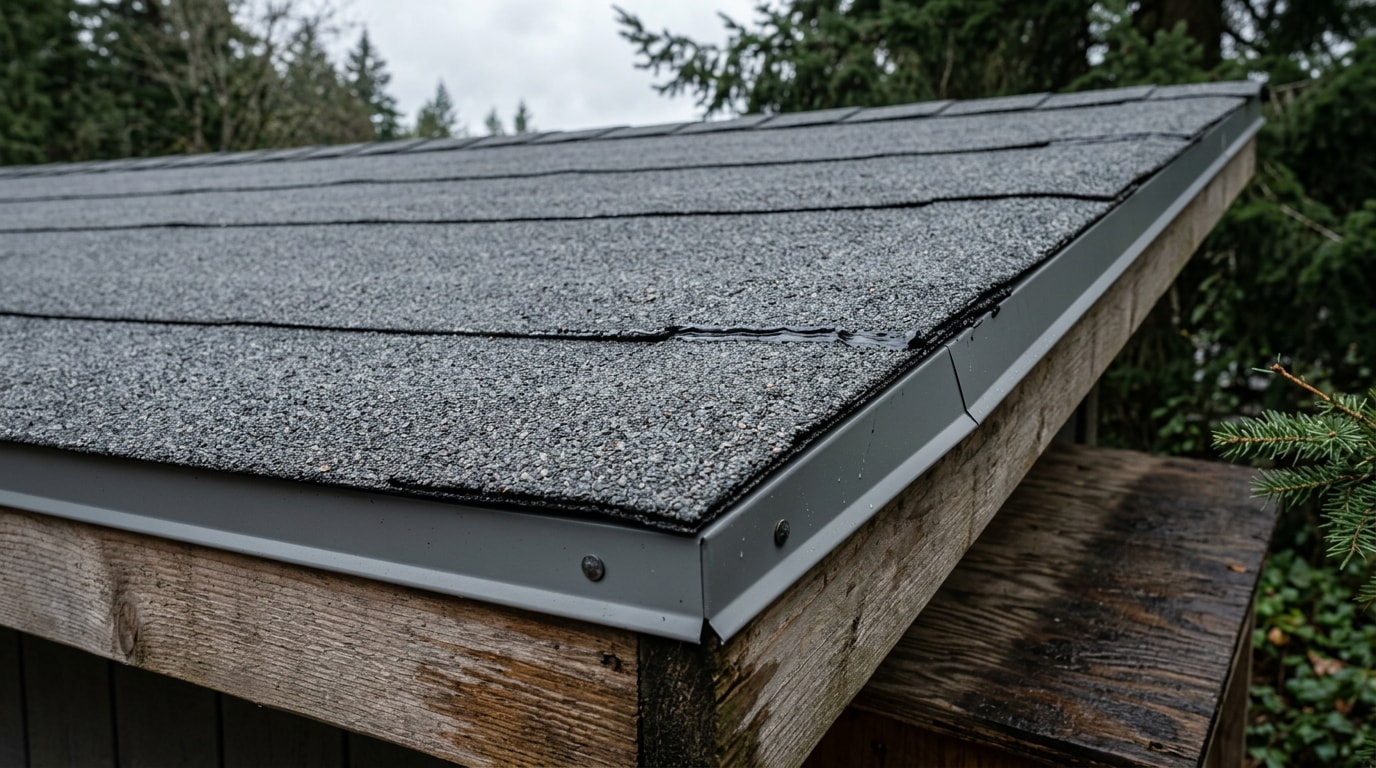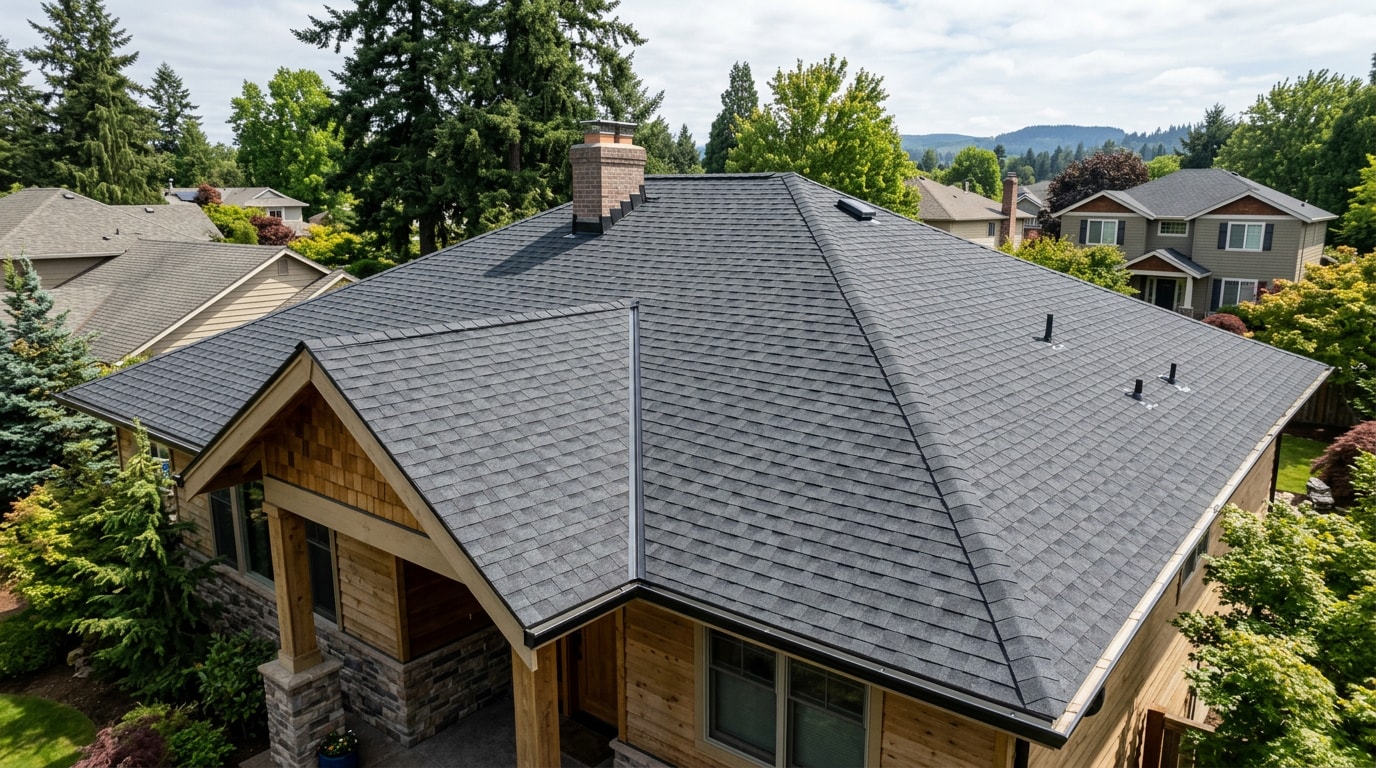

Standing seam metal roofing in McMinnville, OR is what most homeowners land on once they're done replacing curling asphalt shingles every 15 to 20 years. Yamhill County's wet season gives roofs little rest, and that's exactly where this panel system's hidden-fastener design earns its keep. Here's what it costs in 2026, how long it actually lasts under our rain, and what to check before you sign a contract.
What Is Standing Seam Metal Roofing?
Standing seam metal roofing is a system of long, vertical metal panels that run from ridge to eave and interlock at raised seams, with no exposed screws on the weather side. Concealed clips hidden under each seam hold the panel to the deck, so water never sits on a fastener head the way it does on cheaper metal roof types.
Standing Seam vs. Corrugated and Other Exposed-Fastener Panels
Exposed-fastener panels, like corrugated or ag-style metal, use screws driven straight through the panel face with rubber washers to seal them. Those washers degrade with age and UV exposure, which is why exposed-fastener roofs need periodic re-torquing or washer replacement that standing seam simply doesn't. Standing seam panels are more expensive upfront for installation and material costs but last longer than asphalt shingles, and they require less maintenance than corrugated metal roofs because of the exposed fasteners on that roof. Corrugated is the cheaper buy-in; standing seam is the cheaper roof over 30-plus years.
Why Standing Seam Performs in McMinnville's Climate
McMinnville doesn't get hail or hurricanes often, but it gets months of sustained drizzle, and that's a harder test for a roof than any single storm. Annual precipitation here averages 37.64 inches, with normal monthly precipitation peaking in November , which is more than enough moisture to turn asphalt granules to gravel and feed moss on anything with texture to grab onto.
On the standing seam jobs our crews complete across Yamhill County, panels specified at 24-gauge steel with a PVDF topcoat consistently outperform thinner, budget-grade imports through their first few wet winters. The clips let the metal expand and contract with temperature swings instead of fighting against fixed screws, so seams stay tight instead of working loose.
A field inspection of 14 low-slope standing seam roofs with up to 35 years of service, combined with lab corrosion analysis, found that comparable systems installed today can be expected to exceed 60 years of service life , according to the Metal Construction Association. Painted steel and aluminum panels used on most residential homes carry a slightly shorter but still substantial 40- to 70-year rating depending on gauge and coating.
Because standing seam sheds water fast and cleanly off a smooth panel, it moves more volume into your gutters in less time than a textured asphalt roof. If your gutters are original to the house, it's worth pairing a re-roof with a look at gutter guard installation so the increased runoff doesn't just trade one maintenance problem for another.
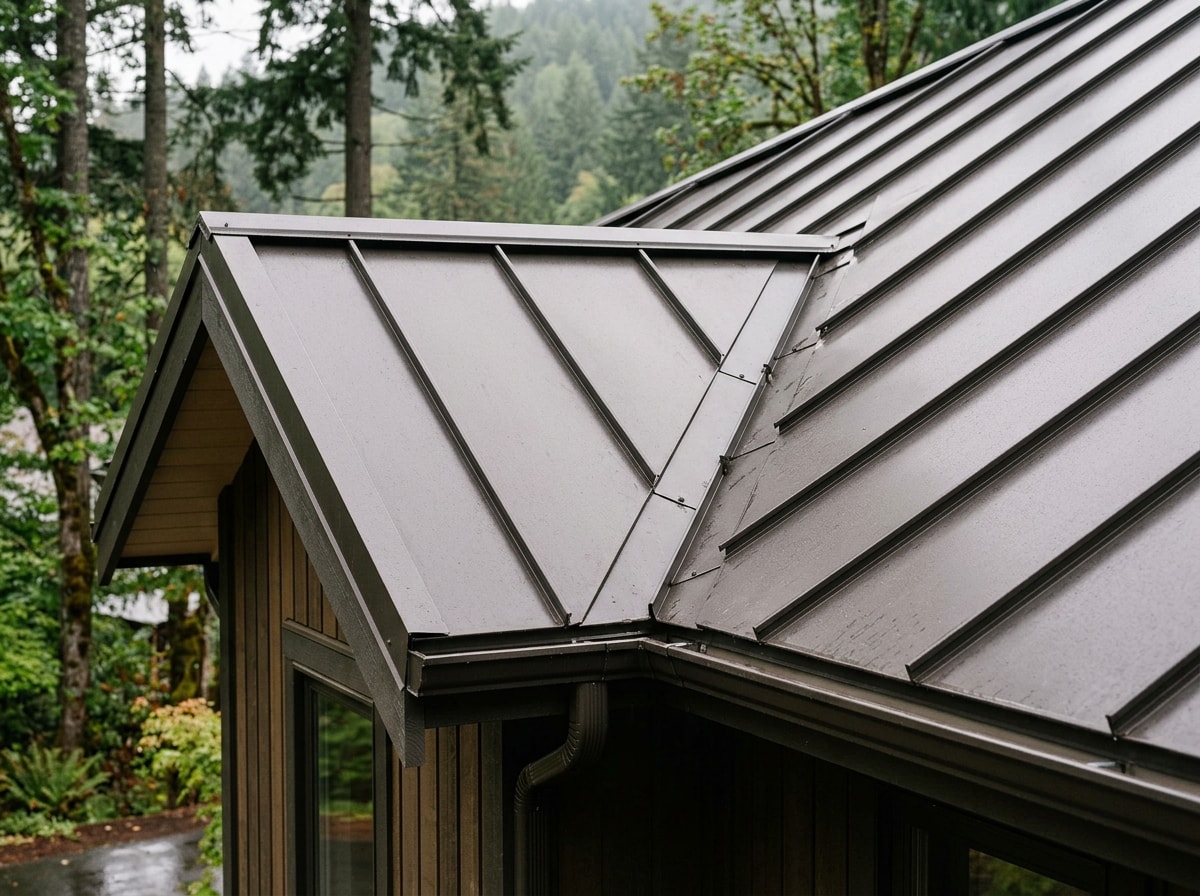
2026 Standing Seam Metal Roofing Costs
A standing seam metal roof costs $9 to $16 per square foot installed on average, with premium metals like copper and zinc increasing the price to $11 to $32 per square foot.
Zinc standing seam typically averages $18 to $30 per square foot installed once gauge, finish, and panel width are factored in.
| Material | Installed Cost (per sq ft) | 2,000 sq ft Roof | Typical Lifespan |
|---|---|---|---|
| Steel (Galvalume) | $9 – $16 | $18,000 – $32,000 | 40–70 years |
| Aluminum | $12 – $18 | $24,000 – $36,000 | 40–70 years |
| Zinc | $18 – $30 | $36,000 – $60,000 | 60–100+ years |
| Copper | $20 – $40 | $40,000 – $80,000 | 75–100+ years |
Steel remains the most common pick for McMinnville homes because it balances cost and durability without the premium of zinc or copper. For a project-specific number instead of a national range, get a free roofing estimate based on your actual roof size and panel choice.
Metal Roofing Profiles & Styles for McMinnville Homes
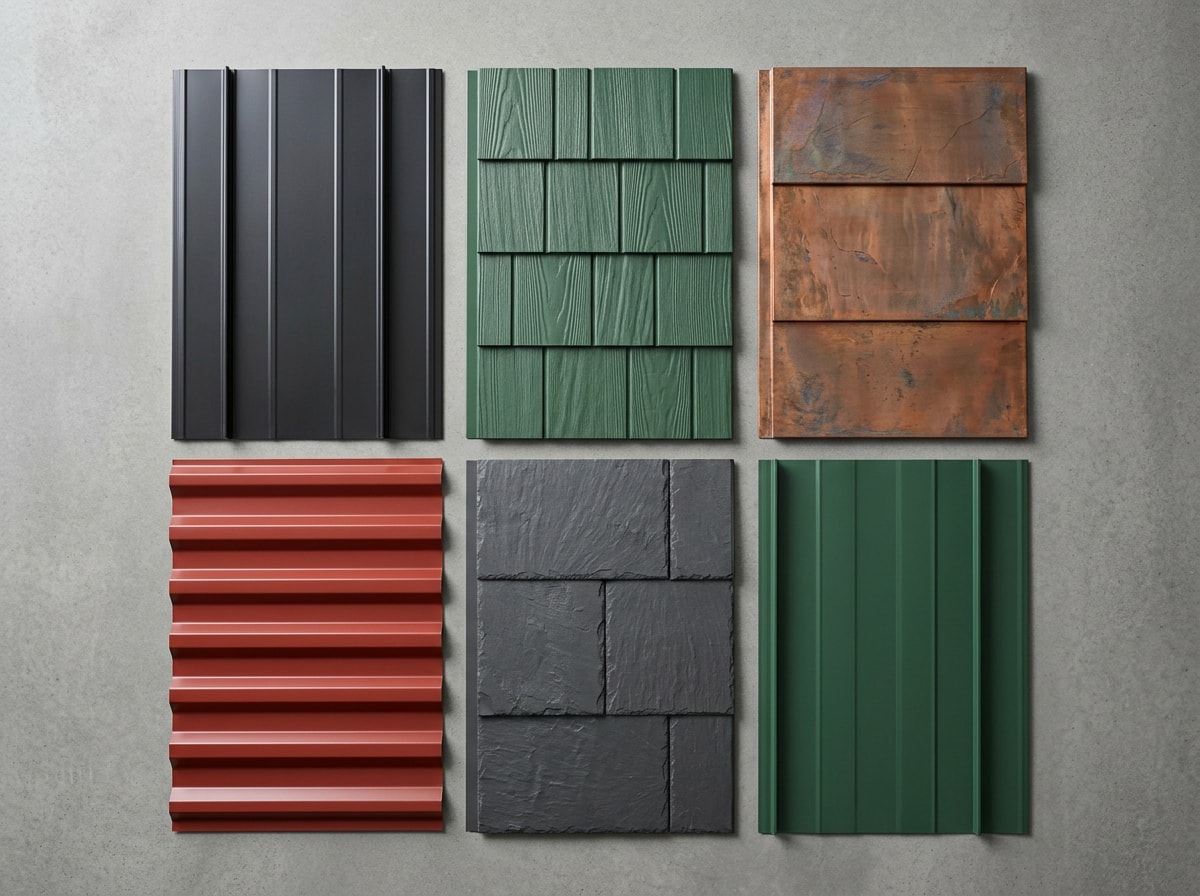
Standing seam isn't the only metal profile available locally. Cedar shake-style metal roofing mimics real wood shakes without the rot risk, and slate-profile panels copy quarried stone at a fraction of the weight and installed cost. Aluminum is the common choice on properties closer to the coast range, where corrosion resistance matters more than on inland lots.
Some homeowners mix profiles by roof section, running standing seam on the main structure and a shake-style panel over a porch or dormer to match existing architectural detailing. A contractor can bring physical samples so you're matching a profile to your home's lines in person rather than from a photo.
Standing Seam vs. Other Roofing Materials
| Factor | Standing Seam Metal | Asphalt Shingles | Corrugated Metal |
|---|---|---|---|
| Installed cost | $9–$16/sq ft | $4–$8/sq ft | $5–$10/sq ft |
| Typical lifespan | 40–70 years | 15–30 years | 20–30 years |
| Fasteners | Concealed clips | N/A (nailed) | Exposed screws |
| Moss/algae resistance | High | Low | Moderate |
| Maintenance | Low | Moderate (granule loss, moss) | Moderate (washer wear) |
Asphalt still wins on day-one price, which is why it remains common on spec-built homes. But in a climate that never fully dries out, the gap in maintenance and replacement frequency usually closes the cost difference well before year 20.
Energy Efficiency: Does a Metal Roof Actually Save Money?
Buildings with cool, reflective roofs use less air conditioning and save energy, because a cool roof transfers less heat into the building below , according to EPA research on reflective roofing. In air-conditioned residential buildings, solar reflectance from a cool roof can reduce peak cooling demand by 11 to 27 percent.
McMinnville's mild, marine-influenced summers mean the cooling savings are modest compared to a desert climate, but the winter side isn't nothing either: a well-sealed standing seam assembly helps retain conditioned air, trimming heating costs during the months when the furnace runs the most.
What Does a Class 4 Impact Rating Mean?
Roof coverings are graded for hail resistance under the UL 2218 Standard for Safety Impact Resistance of Prepared Roof Covering Materials , which Underwriters Laboratories and ANSI maintain as the industry test standard. Class 4 is the top rating in that system, meaning the panel withstood repeated steel-ball impacts without cracking. For buyers, a Class 4 rating signals strong storm durability and can sometimes qualify a policy for an insurance discount, though discount availability varies by carrier.
Choosing a Standing Seam Installer in McMinnville
Run every quote through the same short list before you sign anything:
- Local permit history. A contractor who regularly pulls Yamhill County permits already knows the inspection quirks that trip up out-of-area crews.
- Full tear-off, not an overlay. Standing seam performs best on a clean deck, not stacked over old shingles.
- Gauge and finish specified in writing. "Steel standing seam" isn't a spec; 24-gauge with a named PVDF or SMP coating is.
- Flashing detail plan. Valleys, chimneys, and skylights fail before panels do, so ask how those transitions are handled.
- References from recent local jobs. Ask to see completed work, not just renderings.
Our roofing contractor team services McMinnville directly, and you can browse completed installs on our projects page or check coverage for your street on the McMinnville, OR service area page.
Metal Roof Replacement Timeline
A standard metal roof replacement starts with a full tear-off, a deck inspection, and new underlayment before the first panel goes down. Most McMinnville re-roofs run a few days to a week, depending on roof size and the gaps between rain systems. If your current roof is nearing 20 years old or showing granule loss, a roof inspection will tell you whether a roof replacement makes more sense than another repair cycle.
If you're also weighing a restoration path for an aging metal roof rather than a full tear-off, our guide to metal roof restoration options in Estacada walks through when recoating beats replacing.
Ready to see real numbers for your roof? Get a free estimate and we'll walk the project with you before any work starts.
Frequently Asked Questions
How long does a standing seam metal roof last in McMinnville?
Most standing seam roofs here last 40 to 70 years, with some unpainted steel systems projected past 60 years in field studies. Regular gutter maintenance and keeping debris off the panels help a roof reach the higher end of that range.
How much does standing seam metal roofing cost in McMinnville, OR?
Expect $9 to $16 per square foot installed for steel, $12 to $18 for aluminum, and $18 to $40 or more for zinc or copper. A 2,000-square-foot roof in steel typically lands between $18,000 and $32,000 installed.
Are metal roofs loud in the rain?
Not when installed correctly. Solid decking and a layer of underlayment absorb most rain noise, so the "noisy metal roof" reputation mostly traces back to old barn-style panels installed directly over open framing without insulation.
Will a metal roof handle McMinnville's rain and moss?
Yes. Metal's smooth, non-porous surface gives moss and algae far less to grip than asphalt granules or wood shakes, which is one of the main reasons homeowners in this rain band switch.
Can you install solar panels on a standing seam roof?
Yes, and it's one of the easier roof types to retrofit for solar. Clamp-style mounts attach directly to the raised seam, so installers don't need to drill penetrations through the panel the way they would on shingles or corrugated metal.
Do metal roofs rust?
Steel can rust if the protective coating is scratched or wears through, which is why gauge and finish quality matter. Aluminum and zinc don't rust in the traditional sense since they form a stable oxide layer instead, which is why they're common choices in wetter, coastal-adjacent markets.
Browse our full range of roofing and gutter services at West Coast Roofers & Gutters to see how a standing seam upgrade fits alongside other exterior work on your home.