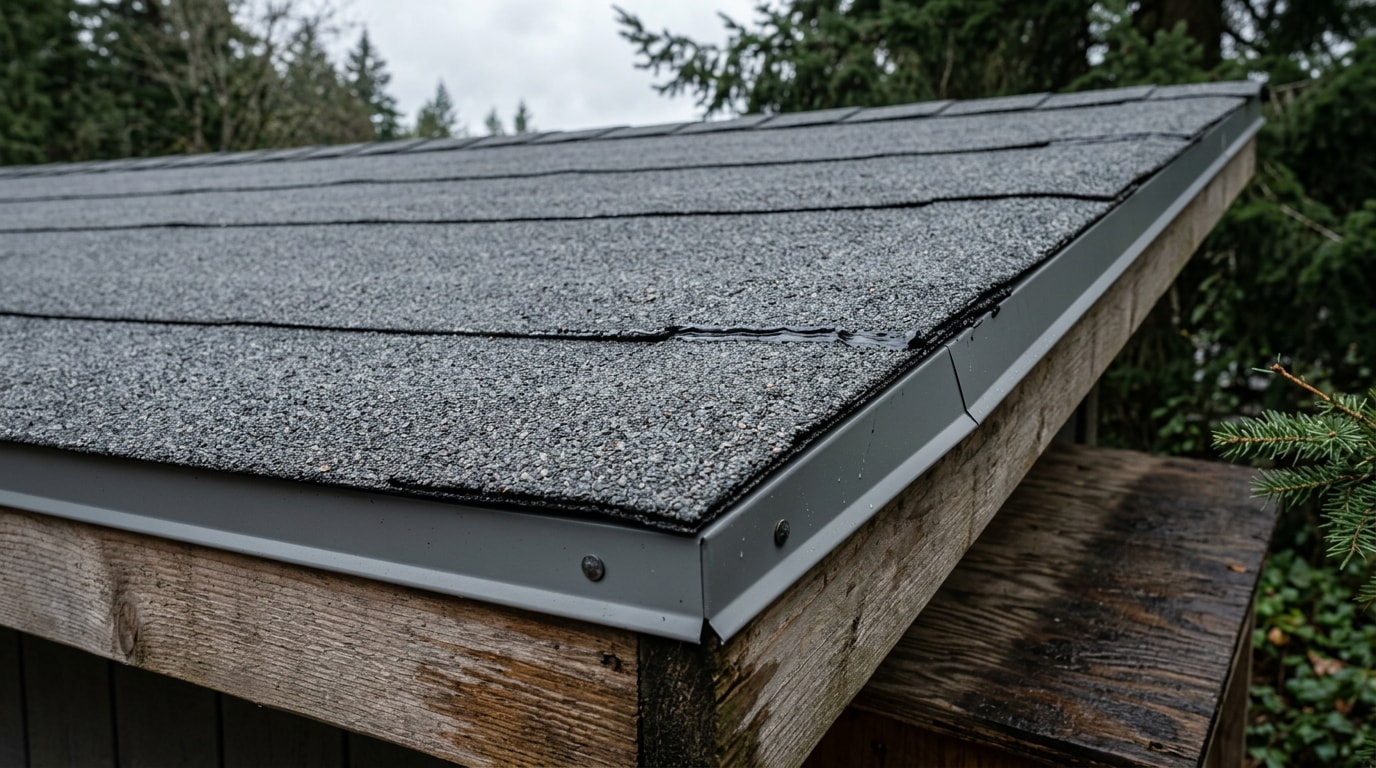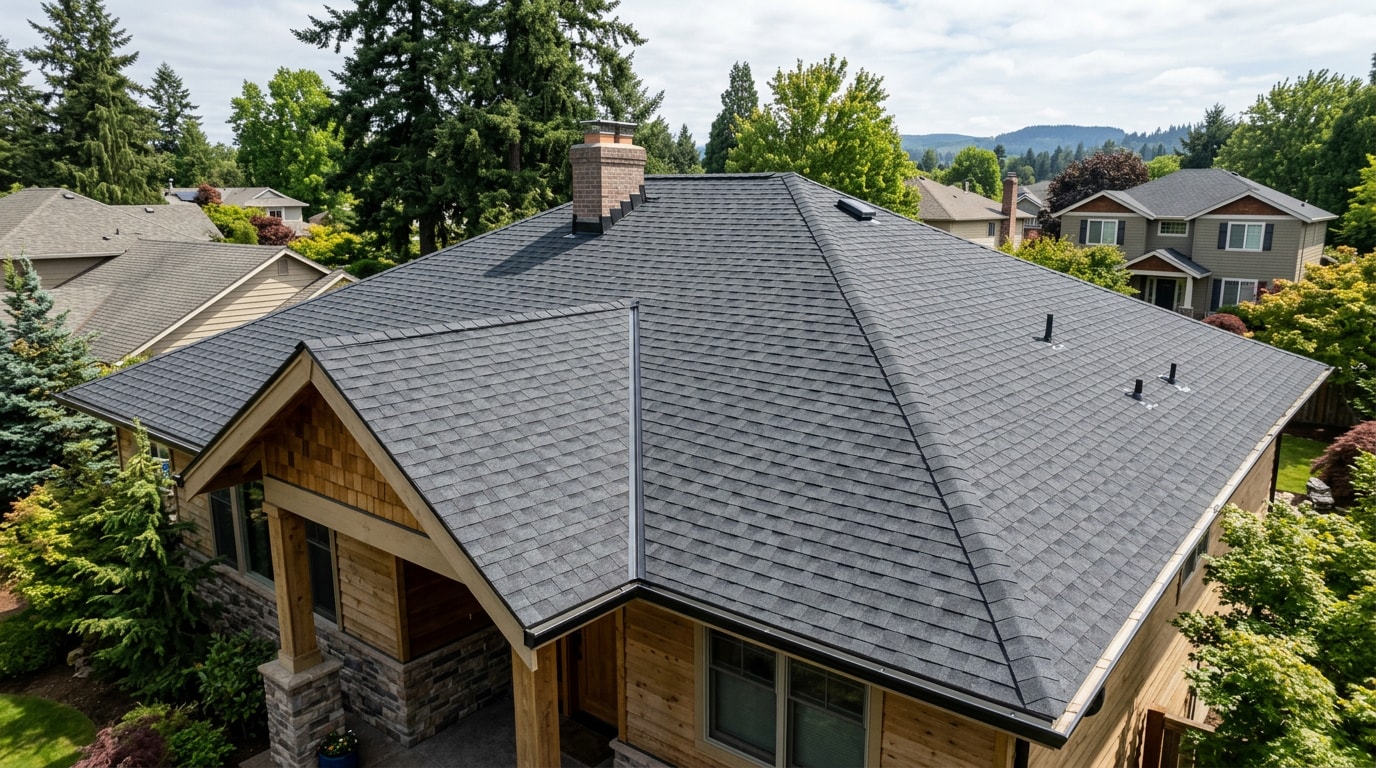

Roofing storm damage repair in Portland, OR usually starts the morning after the wind dies down, not weeks later. A missed inspection window can turn a $400 patch into a full slope replacement once water finds its way into the decking. Here's what to check first, what a complete repair actually involves, and how to keep an insurance claim moving instead of stalling.
Full-Service Storm Damage Repair in Portland, OR
A complete storm response covers more than patching a hole. It usually includes:
- Roof repair or full replacement
- Emergency tarping
- Flashing inspection to catch hidden seal failures
- Debris and branch removal
- Gutter restoration
- Moisture mitigation for anything already soaked through
Most Portland storm crews handle all of it in one visit instead of making you coordinate separate trades. If you want a free assessment before committing to anything, request a free estimate and get a written scope before signing. For a broader look at year-round services, see the Roofing Contractor{{SITE_URL}}/services/roofing-contractor) overview.
Common Signs of Storm Damage to Your Roof
A few warning signs after a storm are worth a closer look before the next rain:
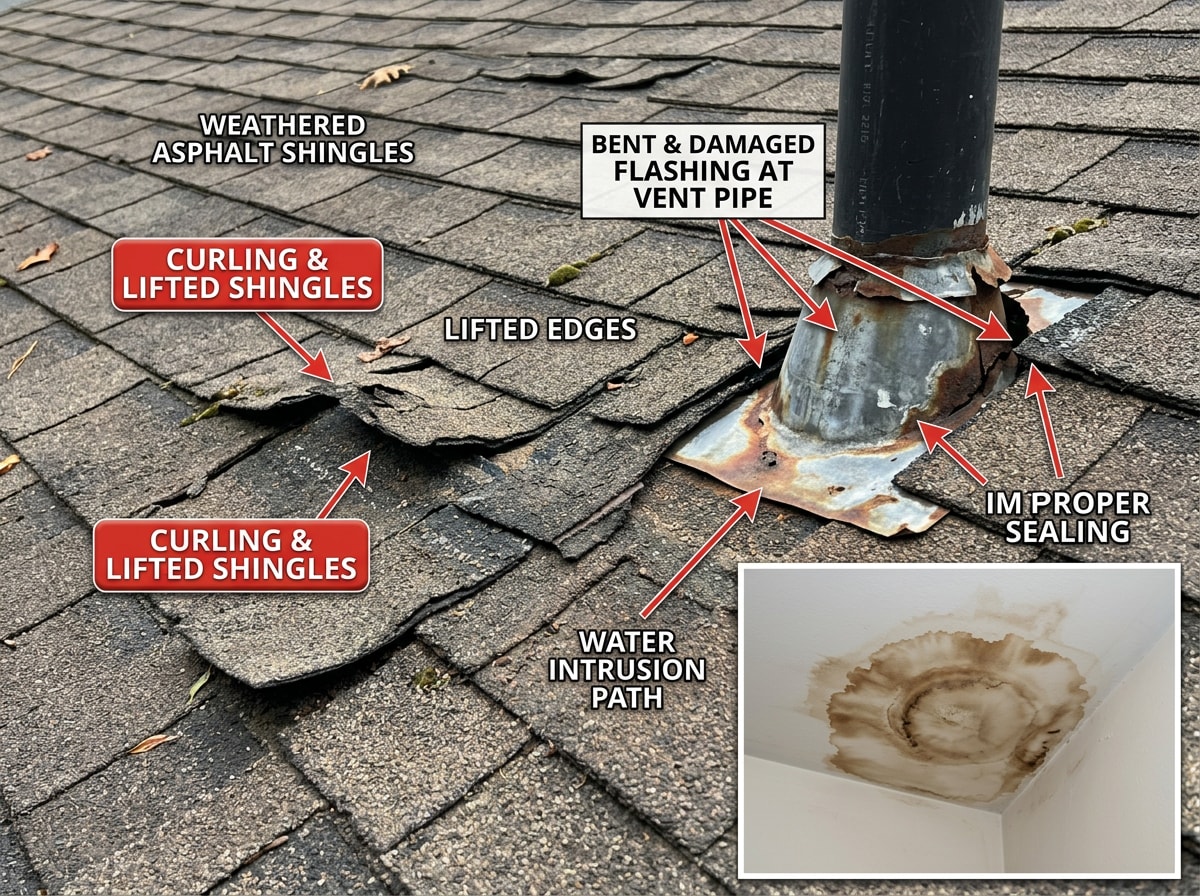
- Missing, curled, or lifted shingles
- Dented or bent flashing around chimneys and vents
- Granule buildup collecting in downspouts
- Ceiling water stains that weren't there last week
- Bubbling or peeling interior paint
Exterior clues are usually the easiest to spot: torn shingles, bent flashing, and debris sitting on the roof plane. Hail leaves a different fingerprint, bruised or cracked shingle surfaces and small dents in gutters or vent caps that are often invisible from ground level. Inside the house, watch for damp insulation, a musty attic smell, and fresh stains that appeared right after the storm.
In our own storm callouts across the Portland metro, wind-driven granule loss shows up far more often than actual missing shingles. It's the damage homeowners miss until a slow leak surfaces months later in spring, long after the storm that caused it is forgotten.
First Things First: Safety and Risk Assessment
Stay off the roof until it's dry and a professional has assessed it. Wet or moss-covered surfaces common in the Pacific Northwest turn a routine walk into a serious fall risk. Downed power lines near the roofline are another reason to keep your distance and call 911 before anyone approaches the structure.
If water has reached outlets or fixtures, shut off power to those circuits at the breaker instead of waiting for an electrician. Other fall protection measures may be used to the extent allowed under other provisions, and OSHA allows the use of an effective fall restraint system in lieu of a personal fall arrest system. That standard exists because fall injuries on residential roofs are common enough to need a federal rule, not because it's an edge case. For more detail on fall hazards during roof work, see the OSHA fall protection factsheet.
Immediate Temporary Protections (What You Can Safely Do)
Before a crew arrives, there's plenty you can do from the ground:
- Place buckets or towels under active drips to catch interior leaks.
- Move furniture, electronics, and boxes out of the water's path.
- Cover stored attic items with plastic sheeting to block seeping moisture.
- Photograph the damage before you touch anything.
These steps buy time. They are not a substitute for professional tarping or flashing repair, which should still happen as soon as it's safe to get someone on the roof. If you're tempted to go further than ground-level cleanup, read our DIY roofing repair safety guide first, since several common "quick fixes" void warranties or make the eventual repair more expensive.
What a Complete Storm Damage Repair Should Include
Portland's storm damage generally falls into a few categories, each with its own urgency and rough timeline.
| Damage Type | Typical Urgency | Rough Timeline |
|---|---|---|
| Active leak / exposed decking | Same-day | Tarp in hours, repair in 1-2 days |
| Lifted or torn shingles (wind) | Within a few days | 1-2 days once materials are matched |
| Branch or limb impact | Same-day if deck is punctured | 1-3 days, longer if framing is involved |
| Hail bruising | Within 1-2 weeks | 1-2 days once confirmed by inspection |
Emergency Tarping
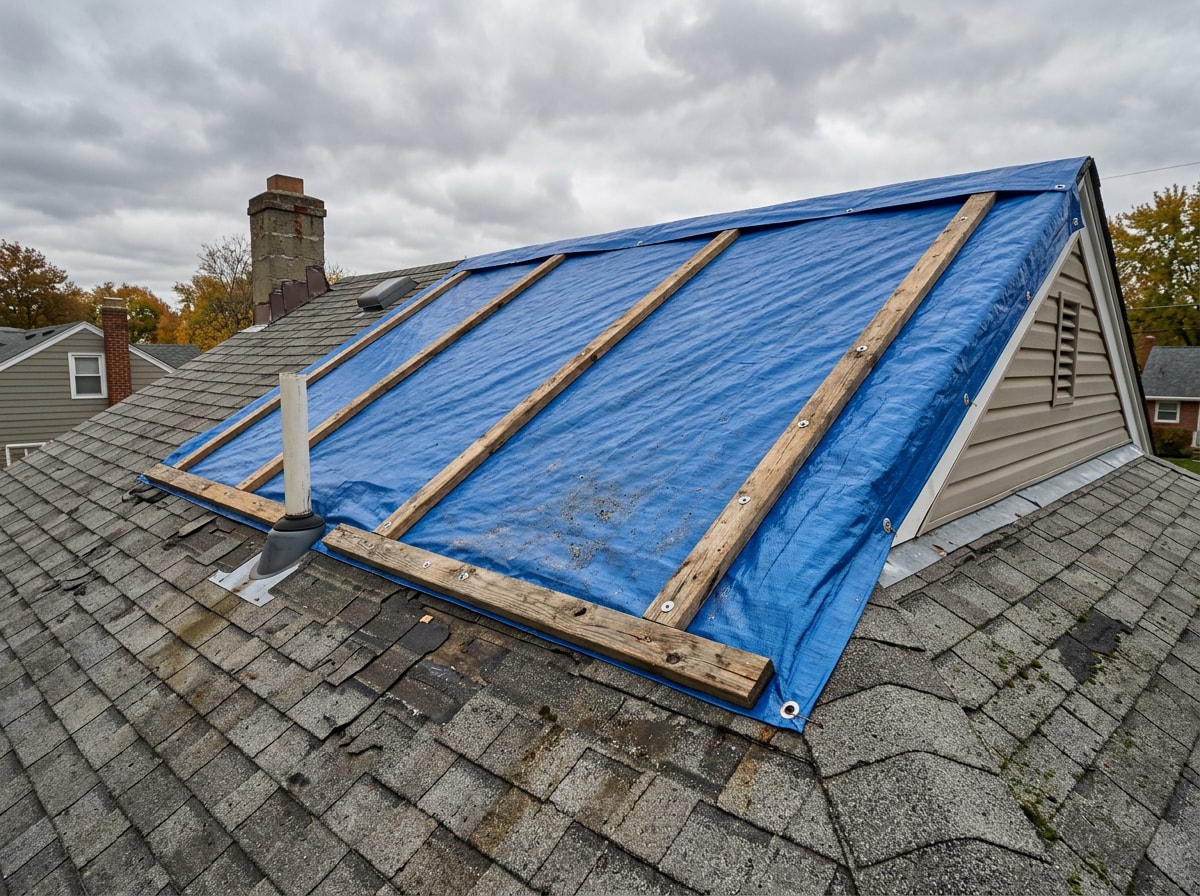
When more rain is forecast and there's an active leak, same-day tarping is the priority. A properly installed tarp gets anchored along furring strips or battens, not just weighted down with bricks, and is meant to hold for roughly one to two weeks while a permanent repair is scheduled. See our emergency roof repair{{SITE_URL}}/services/roofing-contractor/emergency-roof-repair) page if you need someone out the same day.
Wind Damage Repair
High wind lifts shingle tabs and tears them loose, especially where aging seal strips have already weakened. ASTM D3161, the Standard Test Method for Wind Resistance of Steep Slope Roofing Products, applies fan-induced wind to a shingle deck, and the highest wind speed achieved without any shingle lifting determines the shingle's classification. Shingles rated under this standard are grouped into wind-speed classes, but that rating assumes the shingles are newer and properly sealed, not twenty years old with brittle adhesive strips. You can review the classification system through the asphalt shingle wind-resistance standards published by the Asphalt Roofing Manufacturers Association.
Tree-Limb Impact Repair
Portland's conifer and Douglas fir canopy sheds limbs almost every winter storm. A smaller limb usually damages a handful of shingles. A larger fallen branch can puncture the roof deck entirely, and in that case a structural inspection should happen before any cosmetic repair begins.
Hail Damage Assessment
Hail damage is largely invisible from the ground and shows up as circular granule-loss marks that need a roof-level inspection to confirm. Not every hailstorm causes damage. Hail a quarter-inch in diameter or larger is generally considered severe enough to report and worth a closer look. The NOAA Severe Weather 101 hail guide is a useful baseline for telling a damaging hailstorm from a light, harmless pass.
Document Everything, It Matters for Insurance
Photograph and video the damage from multiple angles, inside and out, before cleanup begins. Wide shots establish context. Close-ups capture specific details like cracked shingles or water stains.
A documented roof inspection report carries more weight with an insurer than a verbal quote alone, since it gives the adjuster a clear, dated record to work from. Scheduling a professional roof inspection{{SITE_URL}}/services/roofing-contractor/roof-inspection) early in the process tends to speed up claim approval rather than slow it down.
Choosing the Right Contractor After a Storm
Storms bring legitimate repair crews and opportunistic ones, and telling them apart quickly matters.
| Signal | Legitimate Contractor | Storm Chaser |
|---|---|---|
| Licensing | Active Oregon CCB number, verifiable on request | Vague or unverifiable license claims |
| Contact pattern | Scheduled visit, local office | Unsolicited door-knock, out-of-state plates |
| Contract | Written, itemized scope before work starts | Verbal promises, pressure to sign same day |
| Deductible | Bills insurance normally | Offers to "waive" your deductible |
Before hiring anyone, verify the company's license directly through Oregon's Construction Contractors Board and ask for proof of insurance. The state's license holder search lets you look up business contractor licenses, individual licenses, and inspector certifications by name, business, or license number. A reputable local company will also have a visible service footprint; check our Portland, OR service area page to confirm we actually work near you, rather than appearing only after a major storm. You can browse completed jobs on our projects page as well.
Plan Repairs Before the Next Storm Hits
Portland's storm pattern often brings several systems through in close succession, so temporary fixes don't hold for long. Once tarping and emergency measures are in place, scheduling the permanent repair quickly, rather than waiting weeks, reduces the odds of a second storm turning a small problem into a bigger one.
Gutters take a beating in the same storms that damage shingles. If yours are sagging, pulling away, or overflowing after the last system, pair your roof repair with a gutter repair inspection so water has somewhere to go once the roof is fixed. And if the damage assessment points toward replacement instead of patching, the Roof Replacement{{SITE_URL}}/services/roofing-contractor/roof-replacement) page outlines what that process involves, including how material choice affects long-term storm resistance. Homeowners weighing a full tear-off might also find our cedar shake roofing cost guide useful for comparing material options before committing.
Ready to get ahead of the next system? Our team at West Coast Roofers & Gutters handles storm response across the metro, and a free estimate takes less time than waiting out the next downpour.
FAQ
Should I File an Insurance Claim for Storm Damage?
Run the math on your deductible first. Sudden wind, hail, or debris damage is typically a covered peril, but if repair costs land close to your deductible, filing may cost you more in future premiums than it saves.
What Should Homeowners Do Immediately After Storm Damage?
Walk the property perimeter from the ground, photograph visible damage, and call a licensed roofer for an inspection. Avoid climbing onto the roof yourself.
Does Homeowners Insurance Cover Roof Storm Damage Repair?
Generally yes, for sudden storm-caused damage like wind or hail. Gradual wear-and-tear is usually excluded, and specifics vary by policy, so check your declarations page before assuming coverage.
How Much Does Storm Damage Roof Repair Cost in Portland?
Costs scale with scope. Emergency tarping runs a few hundred dollars, a localized shingle repair is usually in the low hundreds to low thousands, and a full slope or roof replacement after major damage can run into the five figures depending on size and material. An inspection gives you a real number instead of a guess.
How Long Does Storm Damage Repair Take?
Tarping happens same-day when it's safe to access the roof. A straightforward shingle repair typically takes one to two days once materials are matched. Full replacements usually run several days, longer if framing or decking needs rebuilding.
How Can Homeowners Prevent Future Storm Damage?
Routine inspections, regular gutter cleaning, and trimming branches that overhang the roofline all reduce the odds of repeat damage during the next storm season.
Can a Contractor Start Repairs Before the Insurance Adjuster Arrives?
Emergency work like tarping or temporary flashing can typically proceed right away. Permanent repairs may need to wait for the adjuster's inspection, depending on the insurer.
---
About the Author
This guide was reviewed by the roofing team at West Coast Roofers & Gutters, a CCB-licensed contractor serving storm-damage calls across the Portland metro, including Beaverton, Lake Oswego, Tigard, and Gresham. For a hands-on assessment of your own roof, contact us to schedule an inspection.